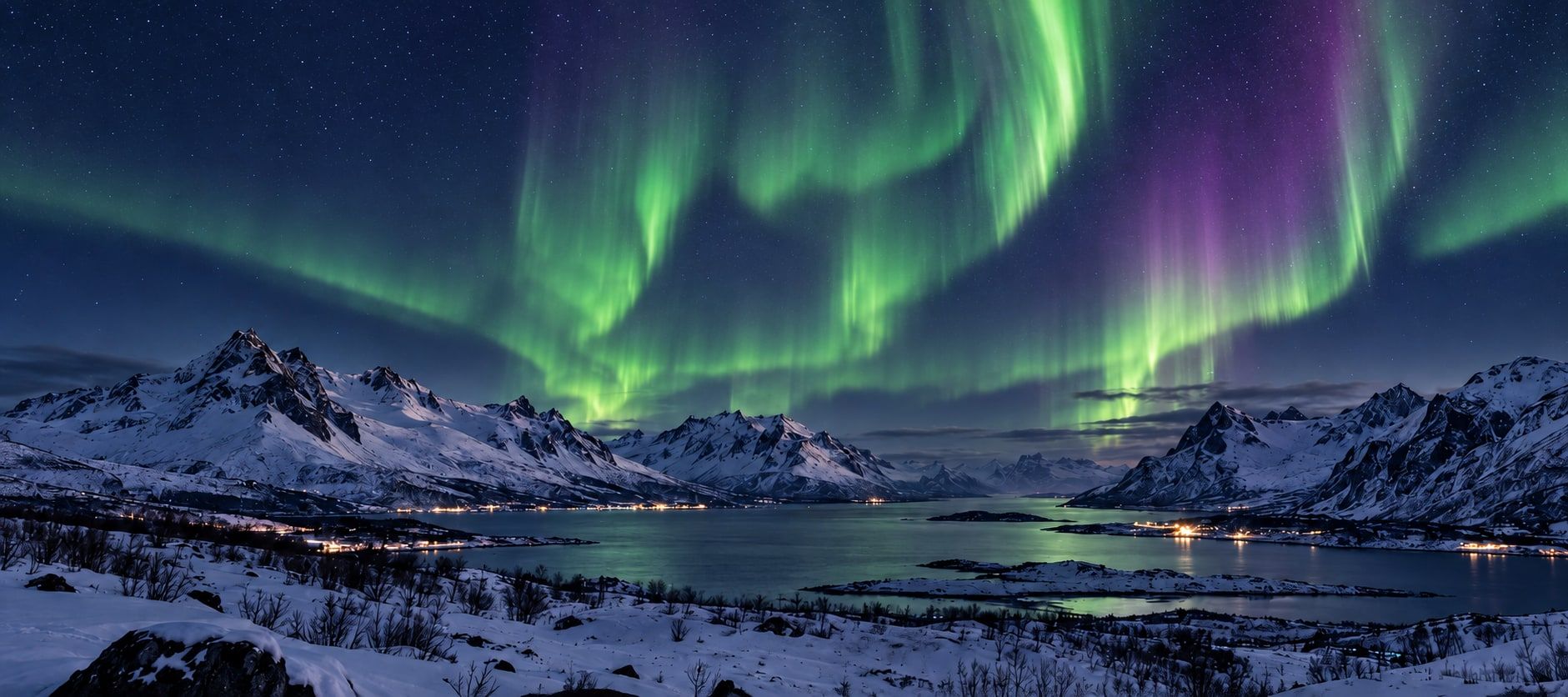
Go where the night comes alive.
Find the right place, the right season, and a trip worth taking.
Inspired by the Arctic. Guided by better information.
- 12destinations with the same fact sheet
- 24years of night-sky data
- 34tours with price and no-aurora terms
- 5languages
A good trip starts with three questions.

Where should I go?
Twelve places ranked for your travel month, using 24 years of night-sky data.
Compare places
How long should I stay?
See how often three, five or seven nights included at least one usable sky.
Count the nights
Should I book a tour?
What a tour changes, what it costs and what you get if nothing shows.
Read the guideThe map
Under the auroral zone
The aurora forms a ring around the magnetic pole. The closer a place sits to that ring, the less solar activity it needs. Each number is one of our destinations.
- 1TromsøNorway57%
- 2ReykjavíkIceland76%
- 3RovaniemiFinland82%
- 4AbiskoSweden77%
- 5KirunaSweden87%
- 6LeviFinland78%
- 7SaariselkäFinland78%
- 8AkureyriIceland57%
- 9LuleåSweden84%
- 10FairbanksAlaska, USA97%
- 11YellowknifeCanada98%
- 12WhitehorseCanada96%
The percentage is the share of 5-night stays with a usable sky in each place's best month.
Twelve places, one fact sheet
Every destination gets the same fields, so you can compare them line by line.
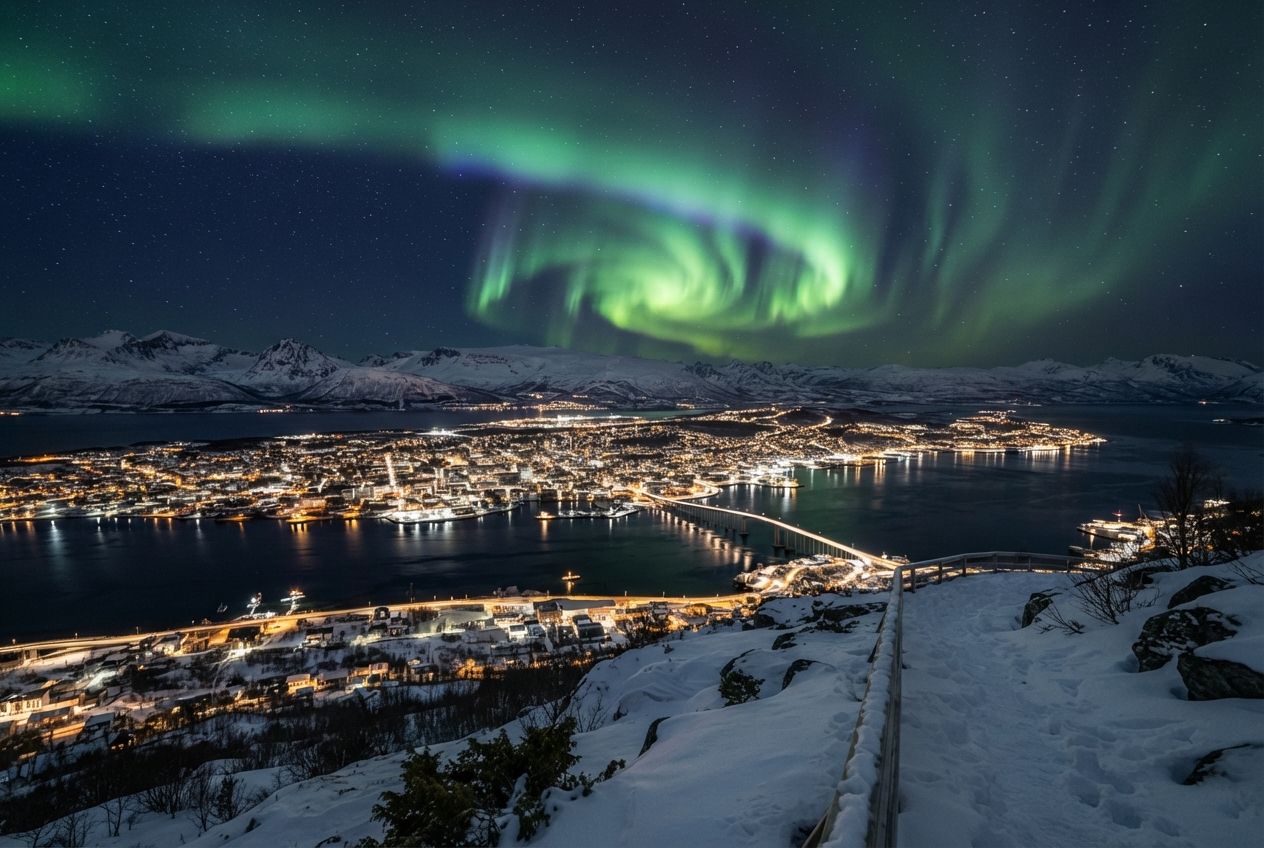
Tromsø
An Arctic city base built around long chase tours; 57% of five-night January stays had a usable night.
See the fact sheet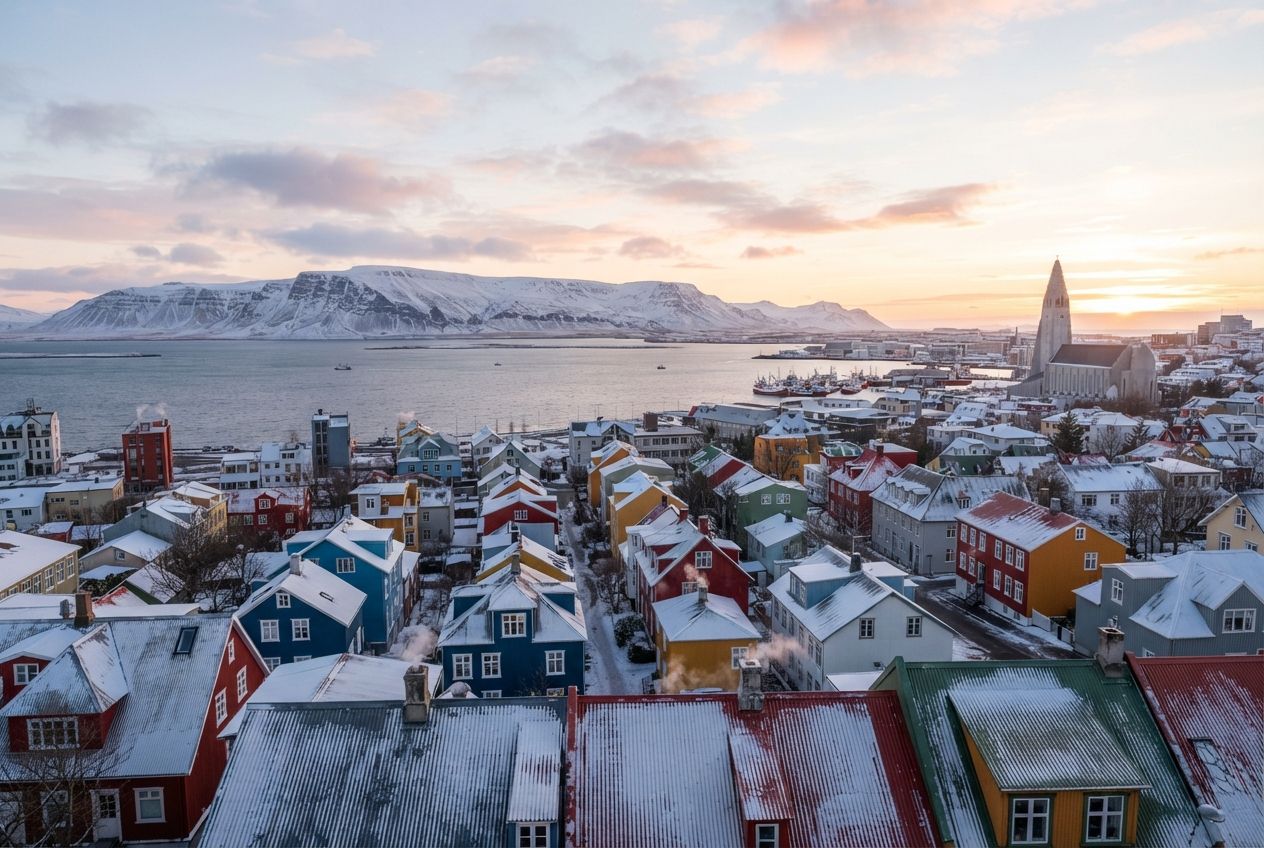
Reykjavík
A city break with short, cheap aurora tours; 76% of five-night December stays had a usable night.
See the fact sheet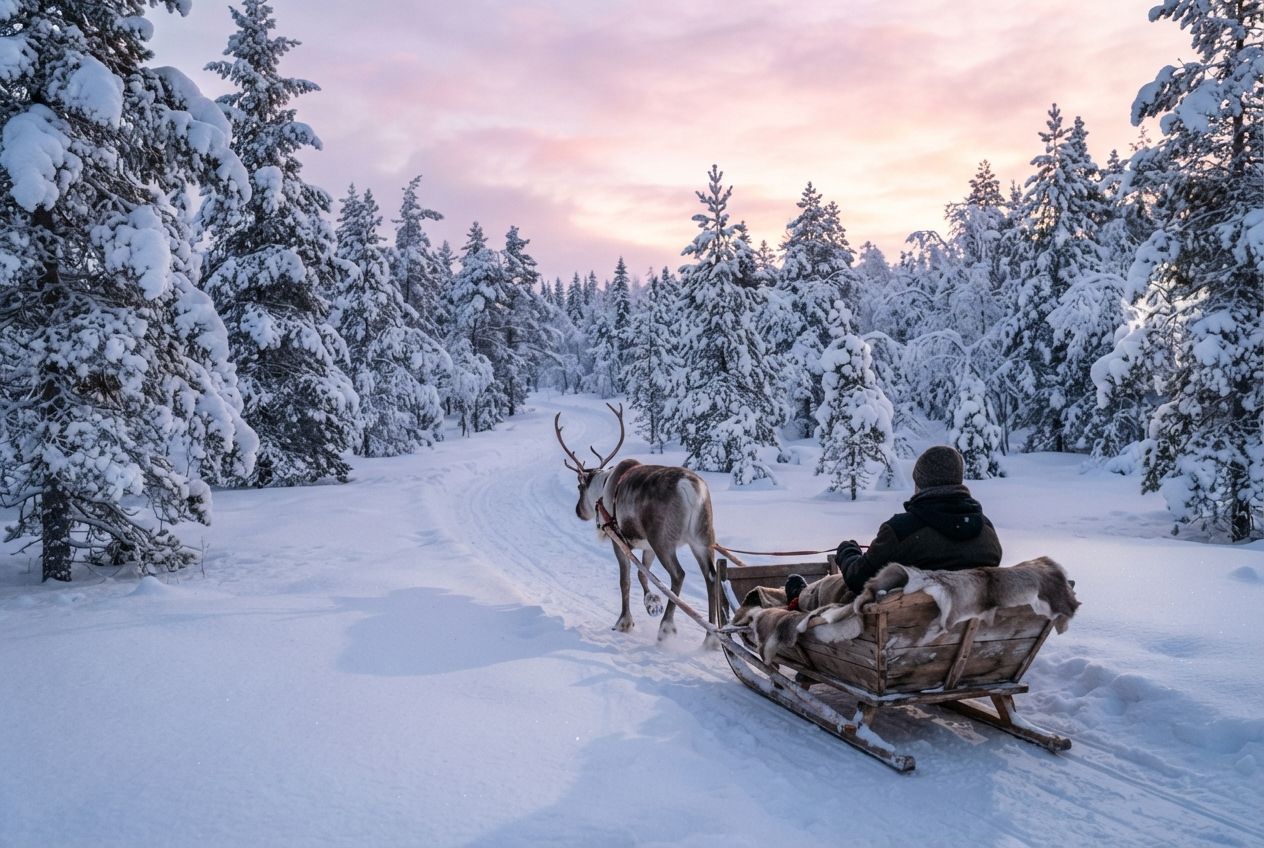
Rovaniemi
A family-friendly Lapland base with direct flights; 82% of five-night March stays had a usable night.
See the fact sheet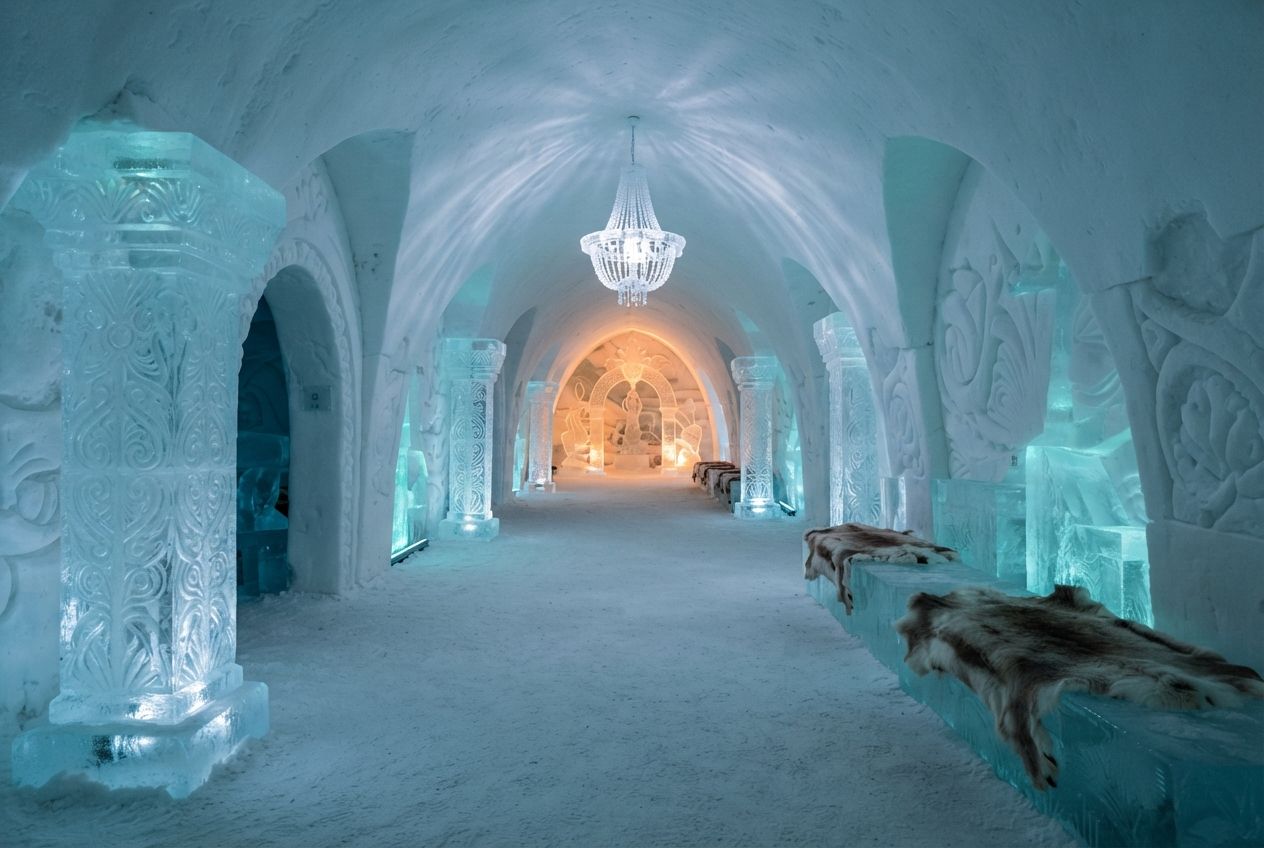
Kiruna
A mining town with its own airport and the Icehotel nearby; 87% of five-night March stays had a usable night.
See the fact sheet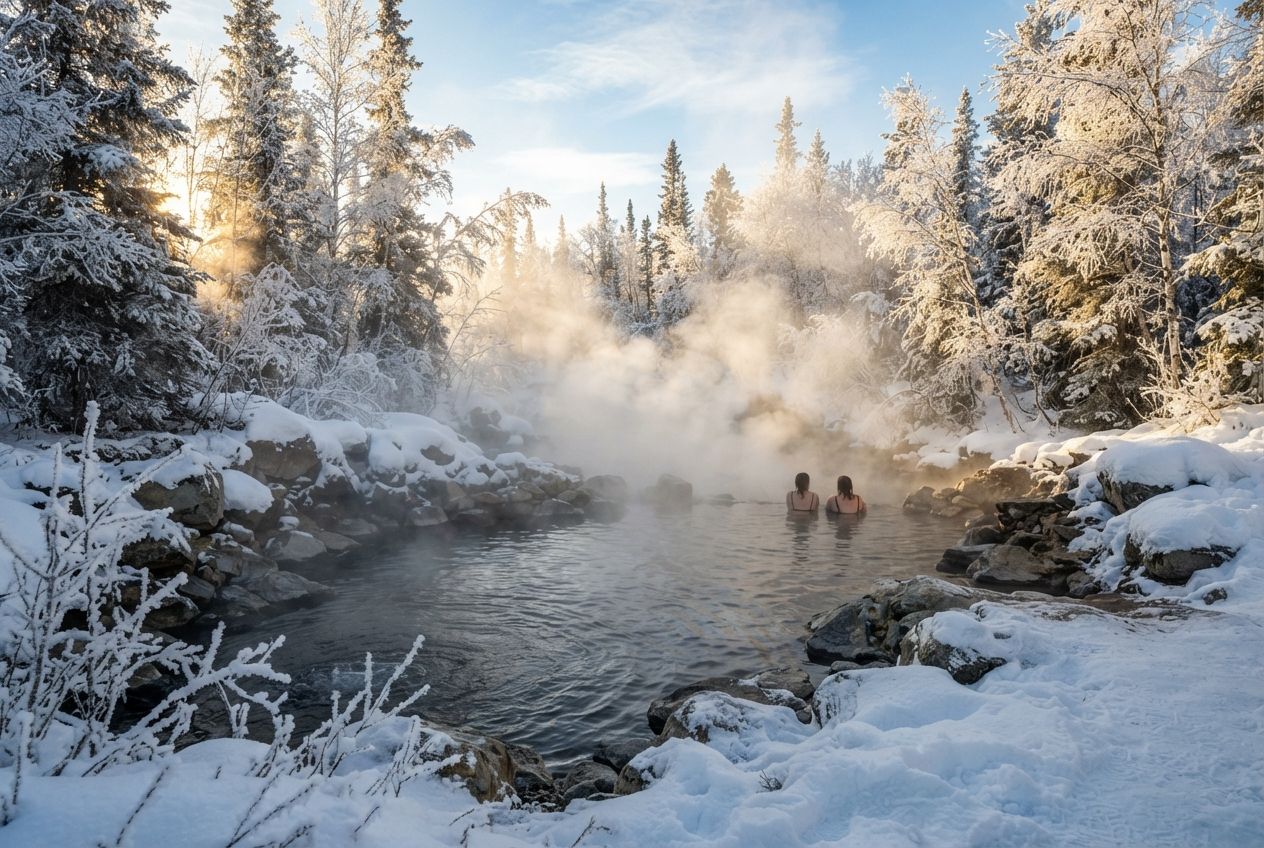
Fairbanks
A clear-sky interior Alaska base that needs a car; 97% of five-night January stays had a usable night.
See the fact sheet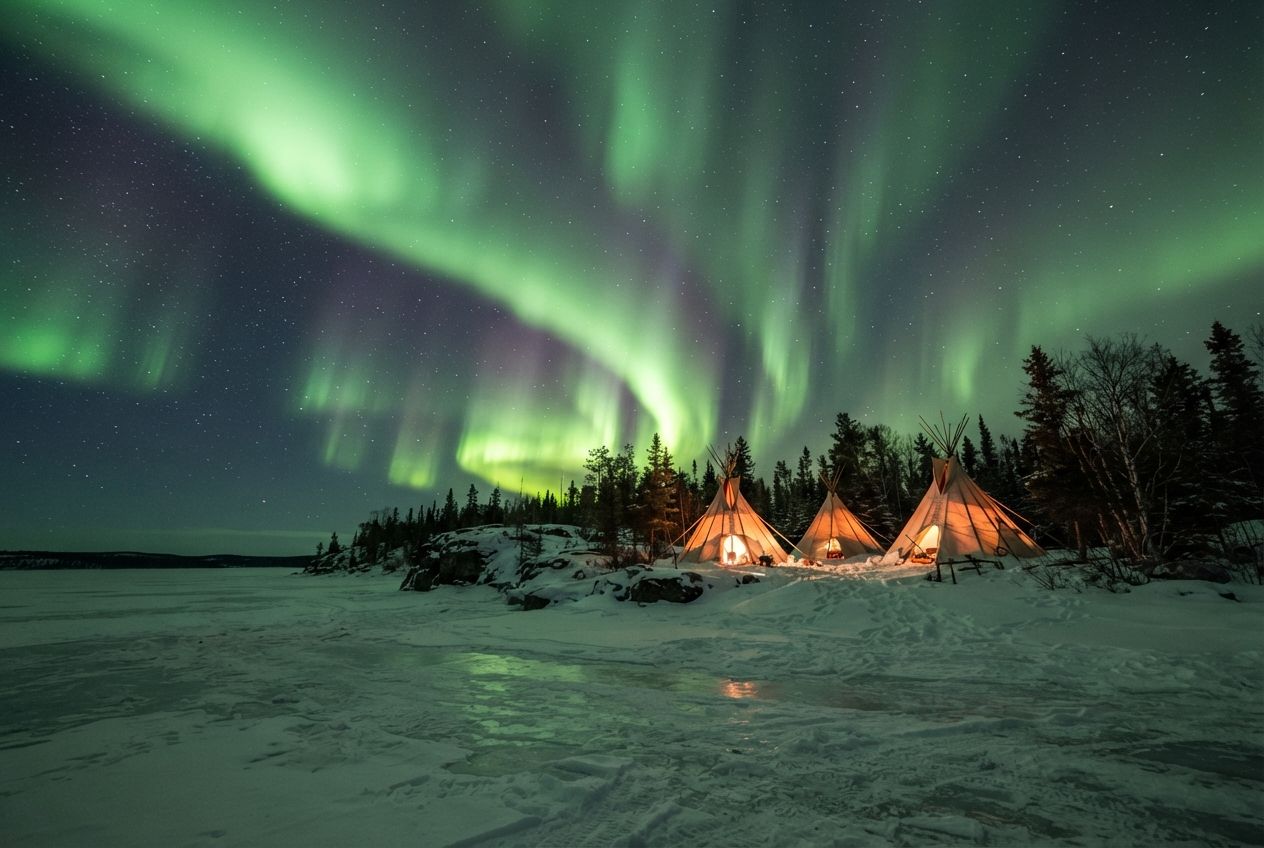
Yellowknife
A very cold Canadian city under the oval; 98% of five-night February stays had a usable night.
See the fact sheet
The sky, month by month
The place with the most usable nights in each month of the season.
- 94%SepYellowknife
- 83%OctLuleå
- 88%NovFairbanks
- 96%DecFairbanks
- 97%JanFairbanks
- 98%FebYellowknife
- 95%MarYellowknife
- 91%AprWhitehorse
Sky statistics only. Nobody can forecast solar activity months ahead. How we calculate this
Going out tonight?
Forecast cloud and geomagnetic activity for tonight's dark hours in each place, from official sources.
- Tromsøchecking the forecast
- Reykjavíkchecking the forecast
- Rovaniemichecking the forecast
- Abiskochecking the forecast
- Kirunachecking the forecast
- Levichecking the forecast
- Saariselkächecking the forecast
- Akureyrichecking the forecast
- Luleåchecking the forecast
- Fairbankschecking the forecast
- Yellowknifechecking the forecast
- Whitehorsechecking the forecast
Before you pay for a tour
Short guides to the decisions that cost money.

- Is a tour worth it?What a tour can change, what it cannot, and where we would pay for one.
- If the aurora doesn't showFree retry, discount, refund or nothing: what the listings actually say.
- Bus, minibus or boat?Eight tour formats compared by group size, hours, price and mobility.
- The Kp index, explainedWhat the number means, what it misses, and the Kp each of our twelve places needs.
We count the nights
For each place and month we go through 24 years of hourly satellite records and count the dark nights with a usable sky.
You choose place and length
The same numbers show where the sky cooperates in your month and how many nights give you a fair try.
You read the tour terms
Every tour card shows price, score and what the page says about a night without aurora, before you pay.
How AuroraTripo works
Seeing the aurora takes three things at once: a dark sky, a gap in the cloud, and activity from the sun. Nobody can forecast the third one months ahead. The first two have a long record, so that is what we measure.
We keep the same fact sheet for twelve places: Tromsø, Reykjavík, Akureyri, Rovaniemi, Levi, Saariselkä, Abisko, Kiruna, Luleå, Fairbanks, Yellowknife and Whitehorse. Each sheet draws on 24 years of hourly NASA data (2001-2024) and shows, month by month, how many nights had a usable sky. By that we mean at least two dark hours in a row with half the sky or more free of cloud. In February, 98% of five-night stays in Yellowknife had at least one usable night. In Tromsø the figure was 48%.
From there you can compare the twelve places, work out how many nights to book, and check the cloud and Kp forecast for tonight.
We also read the tour listings so you do not have to. For each Civitatis tour we show the price, the review score with the number of reviews behind it, and what the listing says about a night without aurora: a free retry, a discount, a partial refund, or nothing at all.
What we do not do
- We do not promise a sighting. Our percentages describe the sky, not the aurora.
- We do not make up odds. Every figure comes from a public dataset and a method you can read and rerun on the methodology page. Where a tourist board quotes a success rate with no data behind it, we say so.
- We do not ask for an account or run a newsletter.
- We do not hide weak listings. A tour scored 5.7 is shown with its 5.7.
Common questions
Where is the best place to see the northern lights?
For clear, dark skies, Yellowknife, Fairbanks and Whitehorse are far ahead: from December to March, 92% to 98% of five-night stays there had at least one dark night with a usable sky. Among the Nordic places, Kiruna leads from January to March (80% to 87%), and Tromsø and Akureyri are at the bottom (57% and 47% in January).
What is the best month to see the northern lights?
It depends on the place. February gave Yellowknife its best sky (98% of five-night stays had a usable night), January suited Fairbanks and Abisko, March suited Kiruna (87%) and Rovaniemi (82%), and December suited Reykjavík (76%). These figures cover darkness and cloud, not solar activity.
How many nights do I need for the northern lights?
More than most people book. In Tromsø in January, 43% of three-night stays had at least one usable night, 57% of five-night stays and 67% of seven-night stays. In Yellowknife in February three nights already reached 94%.
Do I need a tour to see the northern lights?
Not everywhere. In Abisko and Yellowknife you can walk to a dark spot, so a tour is a comfort. In Tromsø, where cloud is the main problem, and in Fairbanks, where the hilltop sites are 20 miles (32 km) or more out of town, a tour or a car does real work.